

 Again, we have a couple classic authors who have influenced literature, sci-fi and fantasy.
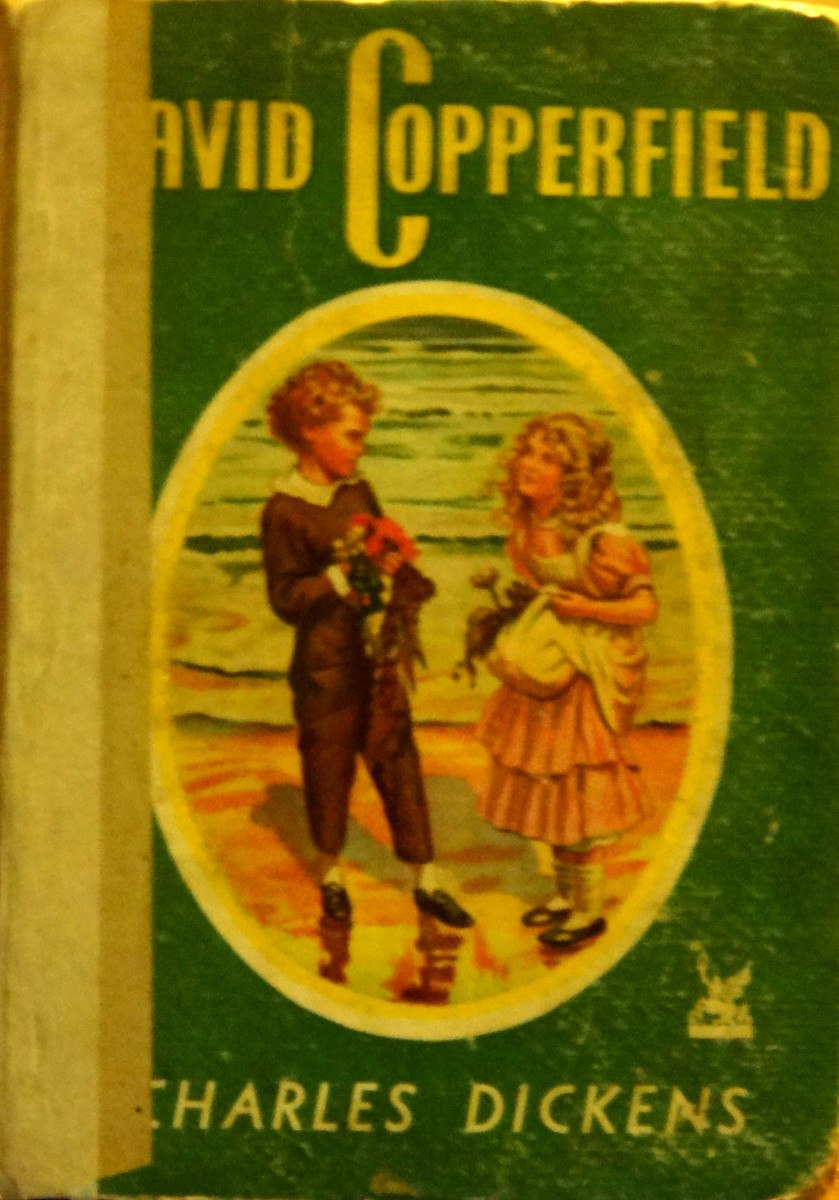
Charles Dickens wrote many novels of which I have read David Copperfield and some of his short stories including the A Christmas Carol, as well as a few others. I think I read a part of Great Expectations but I would have to read it again. I have seen so many movie versions of it that the novel would be obscured for me, and I’m not sure I currently own a copy. My David Copperfield is pretty old, I think it is a paperback from the fifties or sixties. One of my finds, and I have read it a few times adding my creases to the ones it had before.
His characters in the stories I have read were often over the top and had at times bizarre sounding names. He also dealt with in his writings, the many ills of the early industrial era, most notably, work houses, debtor’s prison, homelessness, child labor, and poverty. He wrote with a purpose. Bleak House was another of my favorites as it had spontaneous human combustion in it, which alone would make it interesting, but also dealt with the ridiculousness of British bureaucracy and the insane albeit exaggerated, amount of time and money to collect an inheritance from the courts.
Sadly, Dickens experienced a lot of these situations first hand. He had to live with his family in a real debtor’s prison, and he eventually was sold into an apprenticeship doing hard labor as a child so his family could eat. If he didn’t end up with a benefactor, he would not have gotten the education or had the ability to become a journalist, and eventually, a writer.
The modern equivalent of a benefactor would be something like the National Endowment of the Arts in the United States that allows some writers to actually survive working as writers. It is slated to be de-funded by the current administration and seen as a waste of tax payer’s money. I do not know if we have many patrons around that will replace this, but hopefully, some well-to-do philanthropists will step into the void. Otherwise, some potential Dickens will be working two part time jobs and in debt to his eyeballs trying to scrape together money for community college tuition. And just not make it. This kind of thing can make someone believe in their dream and succeed, or give up on it and settle for the day to day grind.
As far as influencing sci-fi, unless we count the spontaneous human combustion in Bleak House, I have to say Dickens has not influenced it much. However, he has considerably influence in fantasy through his direct influence on Mervyn Peake.
Peake’s characters in Gormenghast and Titus Groan have the dickens like quality in their names, and their over the top nature. At the time they were published, and I have editions from this time, fantasy wasn’t really a label. Most published fantasy was directed at children. This was the late sixties, Tolkien was changing the whole market, but it hadn’t happened quite yet. Peake’s novels which were called “Gothic Novels” for lack of a better term, were fantasy as we think of it today but not much like the Tolkien variety or the C.S. Lewis version.
Peake was an atheist. And, he had some shorter works included in my omnibus edition of the Gormenghast novels that use heavy allegory with a lamb used in a sinister way. I would say being that these authors were all British that this was a direct attack toward Lewis, or a rebuttal to Narnia of sorts. The villain in the novels, Steerpike, is based on several characters. Satan for one, but also Steerforth, a character from David Copperfield, and the Phantom of the Opera as well. Steerforth isn’t evil like Steerpike, but, he is reckless, ambitious, and doomed in the end. But, Dickens influence in the characters and their exaggeration has made its mark on the Fantasy genre through Peake.
Jules Verne who was born on February 8th, 1828 is one of the founders of science-fiction. He along with H.G.Wells is often given credit for making it a viable genre. 20,000 Leagues Under the Sea introduces Captain Nemo for the first time, one of my favorite characters. Nemo is Latin for no one and is an alias for a man from India. That conjures a bit of a different image of the character when you consider his background, he experienced colonialism first hand, at least in theory. Verne leaves Nemo very mysterious, the story is told from the viewpoint of a visitor or prisoner on the Nautilus, and Nemo is left an enigma. He is re-used in Mysterious Island as well. Around the World in 80 Days is another Verne classic. The fact that he used submarines before they were a viable technology, which at the time they were thought a far fetched idea, is what science-fiction would be known for in the future: attempting to predict the future.
1984 is a good example of this, attempting to show what a future totalitarian state may be like, also Brave New World, and most dystopia novels you may find. Now, this is being considered a viable sub-genre with the recent surge in popularity that it is enjoying due to the fear of the future many have right now. I would say venturing into this genre right now would be a good idea, although soon there may be an over abundance in this category like Vampire Fiction experienced some years back after Meyer’s Twilight success.
To sum up, both writer’s were ahead of their time, dealing with possible technology on one hand, and using writing to detail society’s issues with the other, and both heavily influenced future genres that had not existed when they were writing, at least as we think of them today. I would easily add any book from either of these authors to my collection without a second thought. They are both easy to read given they were writing in the nineteenth century, and they both hold up today unlike many of their contemporaries.
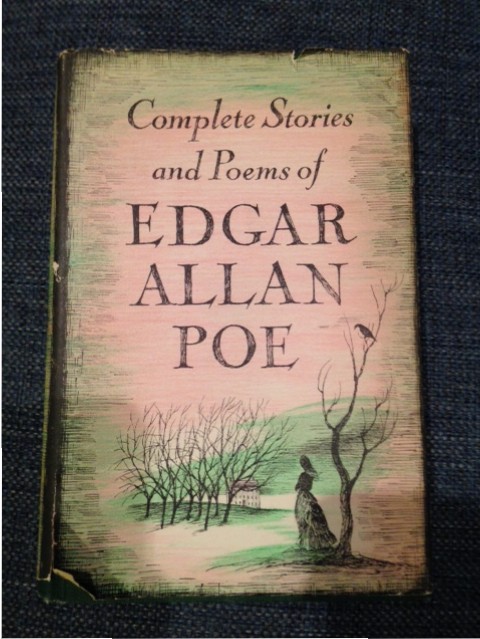
 Both gentlemen were born in late January. Poe on the 19th and Farmer on the 26th. Both have influenced the genre of Science Fiction, and both were very interesting individuals.
 The Infamous Jennisfora Strikes Again...or something like that